Catalog

Traffic speeds have been shown to be a major contributing factor in the severity of crashes, especially in relation to pedestrian and non-motorized crashes. With the addition of post-covid traffic patterns, compliance to safely regulated speeds has never been more important (or difficult to improve). Agencies have been resorting to more creative options to ensure motorists are travelling at safe speeds through their communities, which this webinar will showcase. The webinar intends to show varying speed control techniques from the softer, more psychologically based side of things (like dynamic feedback signage and signal optimization for slower speeds) to physical improvements to ensure safer speeds (speed bumps, traffic circles, and other quick-build methodologies). These systems all have various uses across land use systems, from urban to rural settings, and this webinar will delve into those various types as well as their effectiveness in those types. Participants should come away from this webinar with techniques (and some research to back them up) regarding what might work for their own transportation system. Additionally, appropriate usage of dynamic speed feedback signs in accordance with the 11th MUTCD edition will be discussed.
Registration Includes
Live webinar access 30-day on-demand recording
PDH/CM credit available for an additional fee.
Instructions provided on the corresponding pages for this webinar on the ITE Learning Hub.
About this item
Webinar Summary
Traffic speeds have been shown to be a major contributing factor in the severity of crashes, especially in relation to pedestrian and non-motorized crashes. With the addition of post-covid traffic patterns, compliance to safely regulated speeds has never been more important (or difficult to improve). Agencies have been resorting to more creative options to ensure motorists are travelling at safe speeds through their communities, which this webinar will showcase. The webinar intends to show varying speed control techniques from the softer, more psychologically based side of things (like dynamic feedback signage and signal optimization for slower speeds) to physical improvements to ensure safer speeds (speed bumps, traffic circles, and other quick-build methodologies). These systems all have various uses across land use systems, from urban to rural settings, and this webinar will delve into those various types as well as their effectiveness in those types. Participants should come away from this webinar with techniques (and some research to back them up) regarding what might work for their own transportation system. Additionally, appropriate usage of dynamic speed feedback signs in accordance with the 11th MUTCD edition will be discussed.
Registration Includes
- Live webinar access 30-day on-demand recording
- PDH/CM credit available for an additional fee.
Instructions provided on the corresponding pages for this webinar on the ITE Learning Hub.
Course/Activity Information
This webinar is jointly led by the ITE Traffic Engineering Council.
Webinar Overview
Traffic speeds have been shown to be a major contributing factor in the severity of crashes, especially in relation to pedestrian and non-motorized crashes. With the addition of post-covid traffic patterns, compliance to safely regulated speeds has never been more important (or difficult to improve). Agencies have been resorting to more creative options to ensure motorists are travelling at safe speeds through their communities, which this webinar will showcase. The webinar intends to show varying speed control techniques from the softer, more psychologically based side of things (like dynamic feedback signage and signal optimization for slower speeds) to physical improvements to ensure safer speeds (speed bumps, traffic circles, and other quick-build methodologies). These systems all have various uses across land use systems, from urban to rural settings, and this webinar will delve into those various types as well as their effectiveness in those types. Participants should come away from this webinar with techniques (and some research to back them up) regarding what might work for their own transportation system. Additionally, appropriate usage of dynamic speed feedback signs in accordance with the 11th MUTCD edition will be discussed.
Learning Objectives
By the end of this webinar, participants will be able to:
-
Gain an understanding of the various types of techniques (dynamic speed feedback signs, quickbuild calming measures, and signal coordination) that can be used to help manage traffic speeds.
-
Determine what speed control techniques might work best in specific contexts.
-
Understand the most recent research behind certain speed control measures.
-
Understand the appropriate uses of speed feedback signs in accordance with the 11th Edition MUTCD.
Moderator
Barbara Mosier, P.E., Associate Engineer | Kittelson & Associates, Inc. |
Baltimore, MD, USA
 With over 15 years of experience in traffic and transportation engineering, Barbara has led corridor studies and safety audits; provided small-area and master plan support; and overseen traffic analysis and delay calculations, traffic modeling, crash analysis, and parking studies. Barbara also has experience supporting land development projects and performing dozens of traffic impact analyses in jurisdictions across central Maryland and elsewhere, from major urban revitalization projects and large mixed-use developments to schools and retailers. She is skilled at presenting technical analysis work to a variety of audiences, making sure the traffic data helps tell the story of how the transportation system works for all users. Outside of work, Barbara likes to keep moving and can often be found swimming, paddling or boating on the Chesapeake Bay, biking, or running.
Presenters
Ethan Fawley, Transportation Planning Manager | City of Minneapolis Public Works | Minneapolis, MN, USA
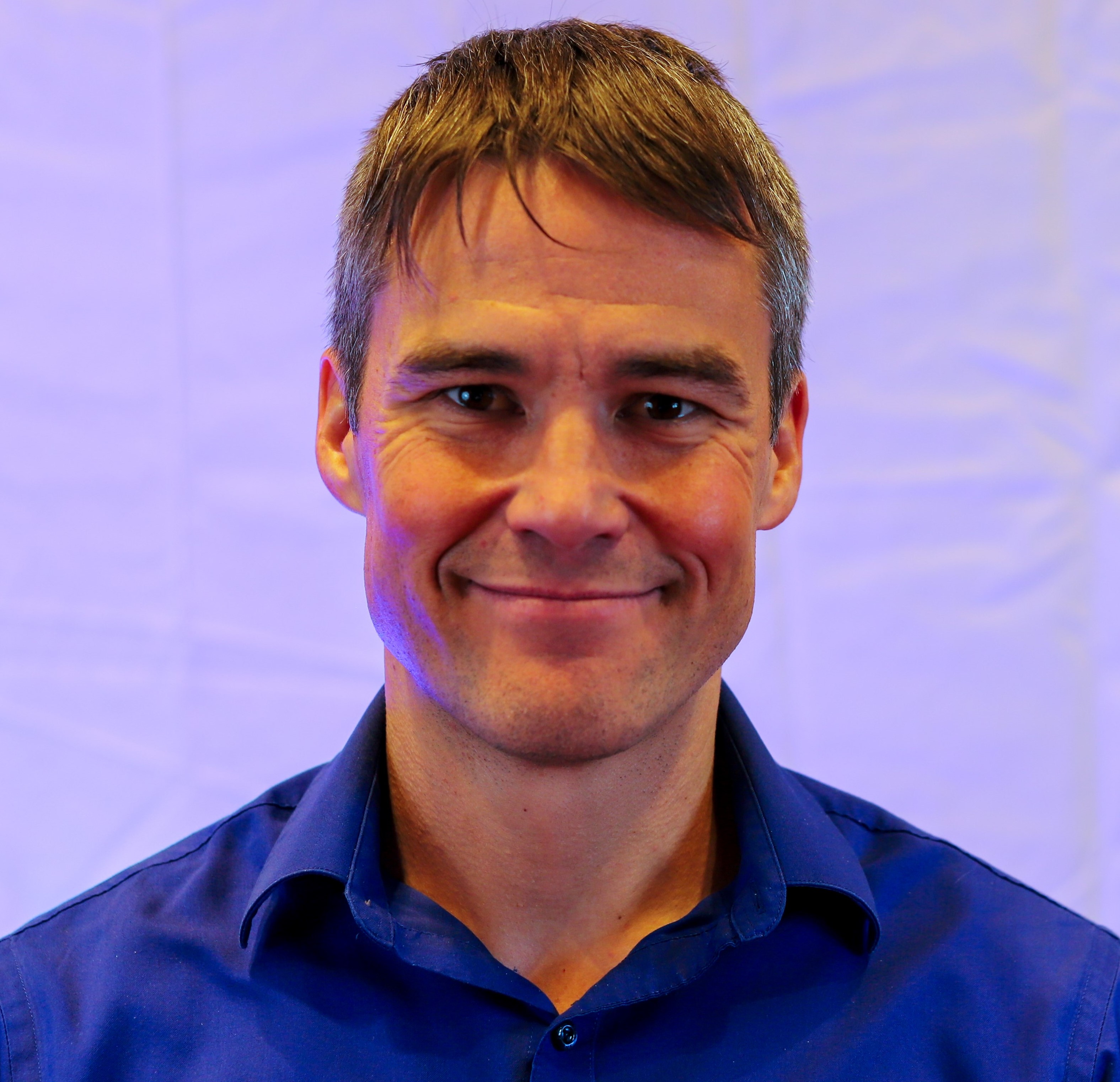 Ethan Fawley is a Transportation Planning Manager for the City of Minneapolis. He led Minneapolis Vision Zero efforts for 7 years and is still active in the City’s Vision Zero work. He helped develop the City’s quick-build traffic safety program, which has installed treatments at more than 300 intersections since 2020. He has a Masters of Urban and Regional Planning from the University of Minnesota.
Cheryl Stacks, P.E., Transportation Manager | City of St. Petersburg | St. Petersburg, FL, USA
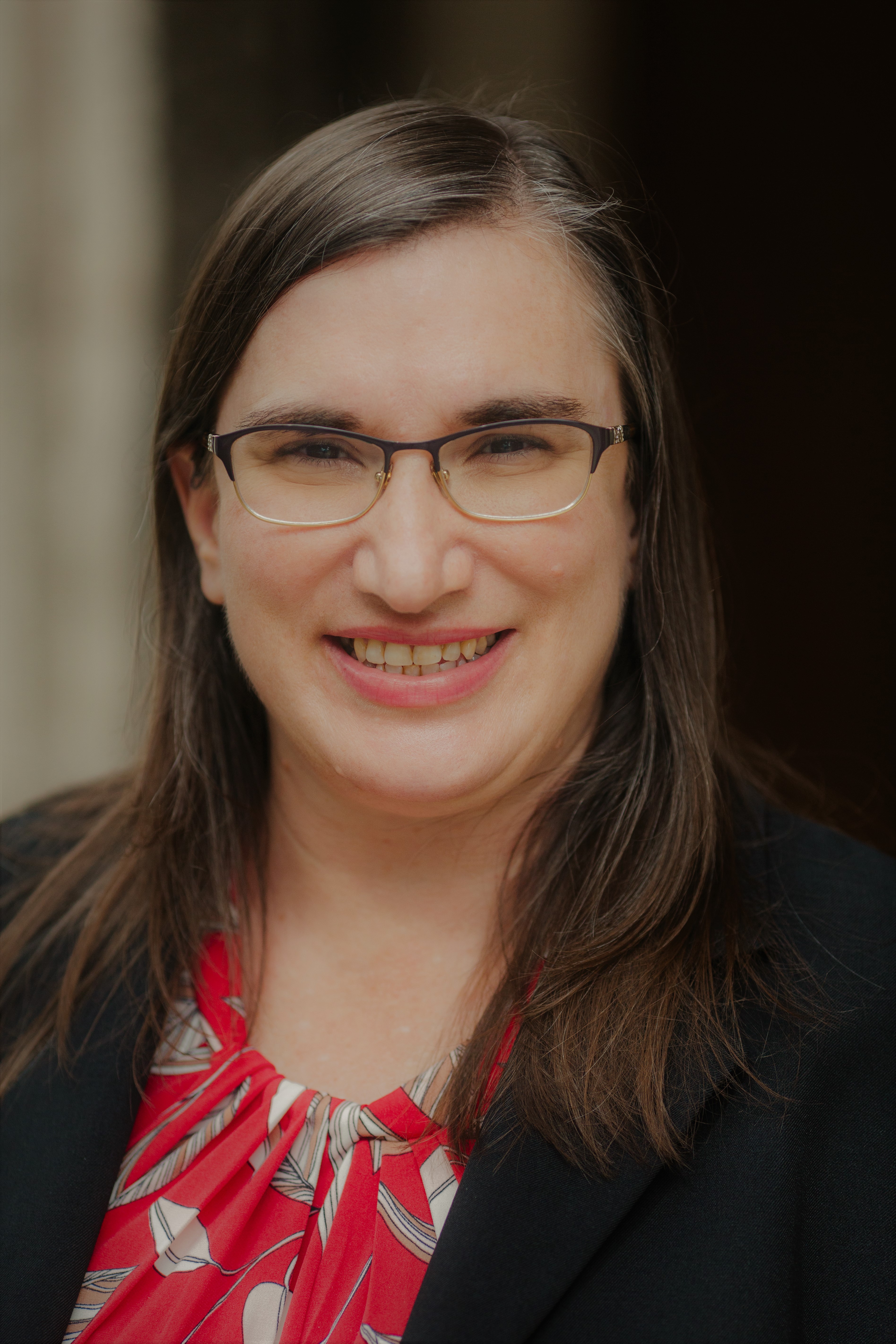 Cheryl Stacks is a licensed Professional Engineer and certified Professional Traffic Operations Engineer. Currently employed as a Transportation Manager for the City of St. Petersburg, Florida, Cheryl is responsible for managing the city’s local transportation programs with a lead role in its multimodal transportation efforts. She has over twenty years of experience in planning, design, construction, and operations of multimodal transportation systems. She previously served as the City’s Bicycle Pedestrian Coordinator and was also previously recognized as the Bicycle Professional of Year by the Florida Bicycle Association. Further, she previously served as local agency, technical representative to the statewide Florida Pedestrian and Bicycle Safety Coalition. Within St. Petersburg, her projects have included such notable facilities and programs as the Pinellas Trail extension into downtown St. Petersburg with Florida’s first separated bike lane; the permission to experiment and Interim Approval with the Federal Highway Administration for the original implementation of Rectangular Rapid Flashing Beacons; SunRunner Bus Rapid Transit fixed-guideway implementation with red asphalt treatment; St. Petersburg’s Bike Share and e-scooter sharing systems; and technical evaluation of the Cross-Bay Ferry pilot program, including intermodal transportation connectivity.
Timothy Gates, P.E., Professor | Michigan State University | Lansing, MI, USA
 Timothy Gates is a Professor in the Department of Civil and Environmental Engineering at Michigan State University. He has more than 25 years of research experience involving traffic control devices, motorist behavior, speed reduction countermeasures, speed limits, road safety, work zones, pedestrians, and bicyclists. Tim is a former chair of the TRB Committee on Traffic Control Devices and is a member of the National Committee on Uniform Traffic Control Devices (NCUTCD). He received his BS and MS degrees in civil engineering from Michigan State University and his PhD in civil engineering from the University of Wisconsin.
Registration Fees
ITE Members: Free
Non-Members: $79
Registration includes access to the live webinar and the on-demand recording for 30 days.
Non-members must create an ITE account to register.
Log-On Instructions
On the day of the webinar, login to your ITE Learning Hub account, navigate to your Learning Center, then find the webinar and click 'Attend.'
PDH / CM Credit Certificate
Participants may earn 1.0 PDH/CM credit for this webinar for a $20 processing fee, regardless of membership status.
Instructions and the purchase link will be provided at the conclusion of the live event
For the on-demand recording, instructions will be provided at the end of the recording
PDH Credit Certificates may be purchased and downloaded while access to the recording is active
Once on-demand webinar access expires, the certificate opportunity is forfeited
Recording Access
All registrants will receive access to the recording for 30 days after it is posted
Additional attendees viewing a recording at one location are not eligible to earn PDH credit
Additional Attendees (Live Viewing Only)
Additional attendees watching the live webinar at one location may earn credit.
The primary registrant must share the PDH evaluation purchase link with additional attendees so they can purchase their own certificate in their own ITE account.
Presentation Materials
Presenters typically provide PDF copies of their slides. If available, materials will be uploaded to the Resources tab within 24 hours after the live event.
Policies
The on-demand webinar is available for registration for 60 days for anyone who wishes to register. After 60 days, this on-demand webinar will be removed and archived.
PDH credit certificates must be purchased and retrieved before individual webinar access expires
No refunds
Last Day to Register On-Demand: We will post that date here after the live webinar concludes.